3.1.3
China’s tools of influence
President Xi has outlined his intent to pursue a model of security engagement and power projection that prioritises global presence, the protection of overseas interests and the ability to shape security norms in ways that align with Beijing’s strategic objectives. That evolution is reflected not only in the modernisation of the PLA, but in the development and deployment of a broader set of tools that enable influence, access and awareness well beyond China’s immediate region.
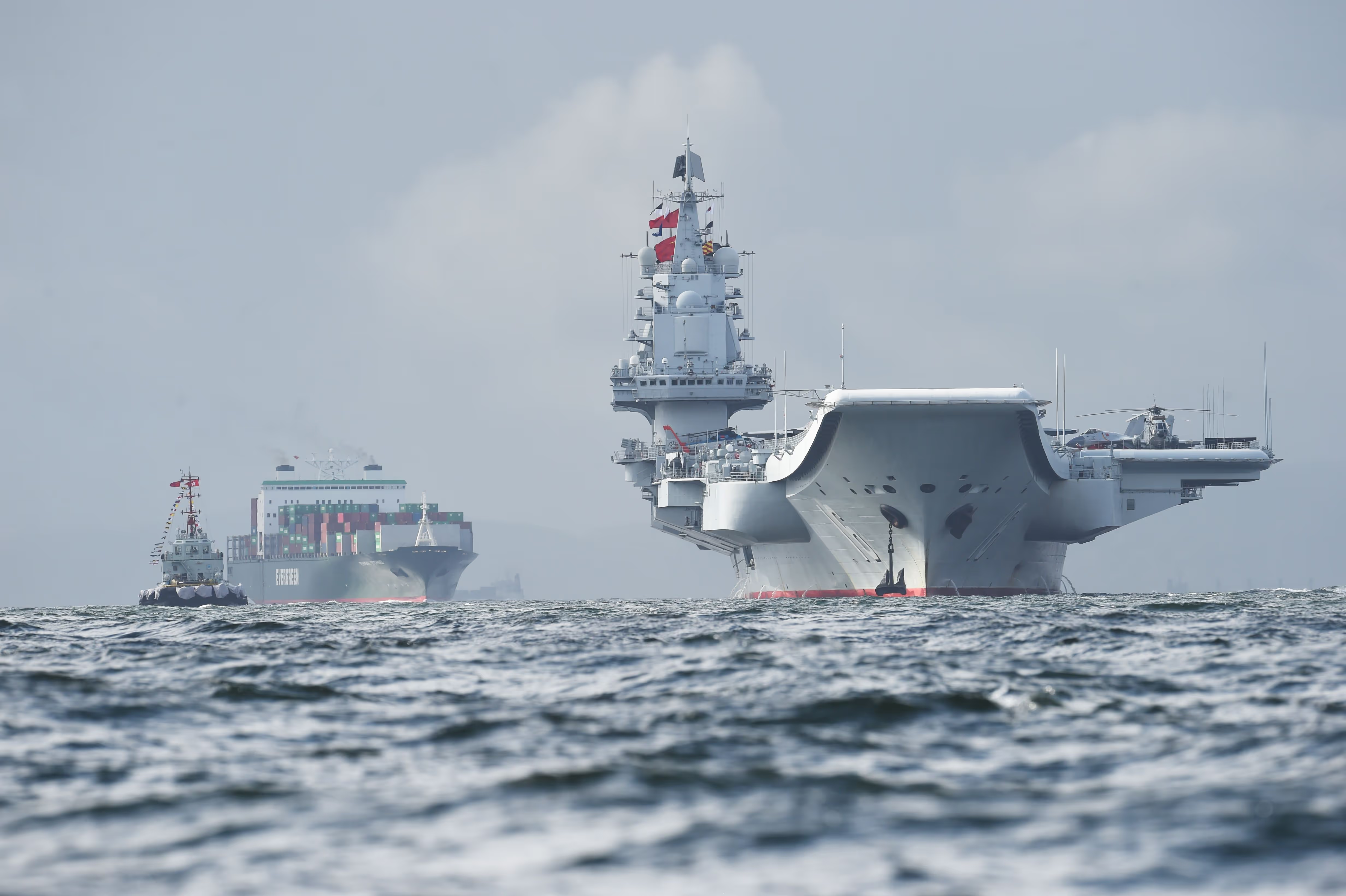
Building a bluewater navy
Under Xi Jinping, China has made the development of a bluewater navy a central pillar of its broader military modernisation and great-power ambitions. This shift reflects a deliberate move toward far seas operations, enabling China’s navy to operate with greater persistence, reach and influence beyond East Asia.
The transformation is driven not by a single platform or mission, but by a coordinated investment in a wide range of naval and maritime capabilities that together enable long-range presence, awareness, endurance and influence. These developments point to a navy designed to project both hard and soft power globally in support of China’s strategic objectives. This type of buildup isn’t different in kind from what other great powers have done historically. But it differs in degree, and in view of China’s own actions in its neighbourhood and beyond, it renders China’s claim to be a peaceful power with no extraterritorial ambitions (aside from Taiwan and South China Sea, which China considers core territorial interests) questionable at the very least.
An incomplete list of key naval capabilities that China has been building for its bluewater navy is as follows.

Type 003 Fujian aircraft carrier
China's third aircraft carrier. This next-generation carrier is equipped with electromagnetic catapult launch systems to operate fighter jets, heavier fixed-wing aircraft and early-warning planes. It enables sustained power projection far from China’s shores.

Type 054A frigates
Multipurpose frigates with anti-air, anti-surface and anti-submarine weapons that form the backbone of long-range escort forces and patrols, boosting sustained operations at sea.

Type 055 large destroyer (Renhai class)
One of the most formidable warships afloat. Armed with 112 vertical launch system (VLS) missile tubes, the Renhai class can provide air defence, anti-surface and land attack capabilities.

Type 071 amphibious transport docks
Large amphibious ships capable of carrying marines, vehicles, landing craft and helicopters. These vessels support expeditionary amphibious missions, humanitarian assistance, and logistics movements in distant waters.

Type 076 large amphibious assault ships
A new class blending amphibious lift with a short flight deck, intended to carry helicopters, drones, and possibly fixed-wing planes. It enhances China’s ability to conduct expeditionary operations and rapid force insertion beyond the First Island Chain.

Type 094 ballistic missile submarines
Nuclear-powered ballistic missile submarines form a sea-based nuclear deterrent. Operating stealthily on long patrols, they extend China’s strategic reach and deter adversaries by threatening retaliation from the sea.

Type 815 intelligence vessels
Dedicated electronic intelligence collection and ocean surveillance ships. These vessels monitor foreign naval activities, collect signals and electronic emissions, and support extended maritime situational awareness in regions far from China’s coast.

Type 901 fast combat support ships
High-speed replenishment vessels designed to keep fleet task groups supplied with fuel, stores and ammunition at sea, enabling extended patrols and sustained operations far from Chinese home ports.

Type 920 hospital ships
Naval hospital ships are designed as tools of influence and used for long-distance HADR missions and medical diplomacy, rather than expeditionary medical support during conflict. They demonstrate China’s ability to sustain a persistent presence far from home in peacetime and crisis-response operations.

Yuan Wang-class tracking ships
Oceangoing telemetry and tracking vessels that support China’s space launch, missile testing, and satellite operations. These ships can deploy to distant waters to relay data and serve as mobile tracking platforms, contributing to both space and naval operations.
China’s other tools of influence
In addition to its expanding naval capabilities, China has developed and deployed a wide range of paramilitary, law-enforcement and ostensibly civilian maritime tools to create influence, secure access and build its awareness of maritime environments well beyond its immediate periphery. The use of its maritime militia (for influence and coercion), the role of the China Coast Guard in grey-zone actions and the blurring of lines between civil and military roles and actors are particularly noteworthy. Under Xi Jinping, those actors have become an integral part of Beijing’s approach to global power projection, operating alongside the PLA while remaining below the threshold of conventional military force.
Their dual-use or non-military appearance offers political cover and deniability, complicating responses by other states while reinforcing China’s long-term strategic positioning. This approach allows China to pursue strategic objectives incrementally, normalising its presence and activity in distant maritime spaces. An incomplete list of key paramilitary organisations and maritime assets that China uses to generate influence, access and awareness is as follows.
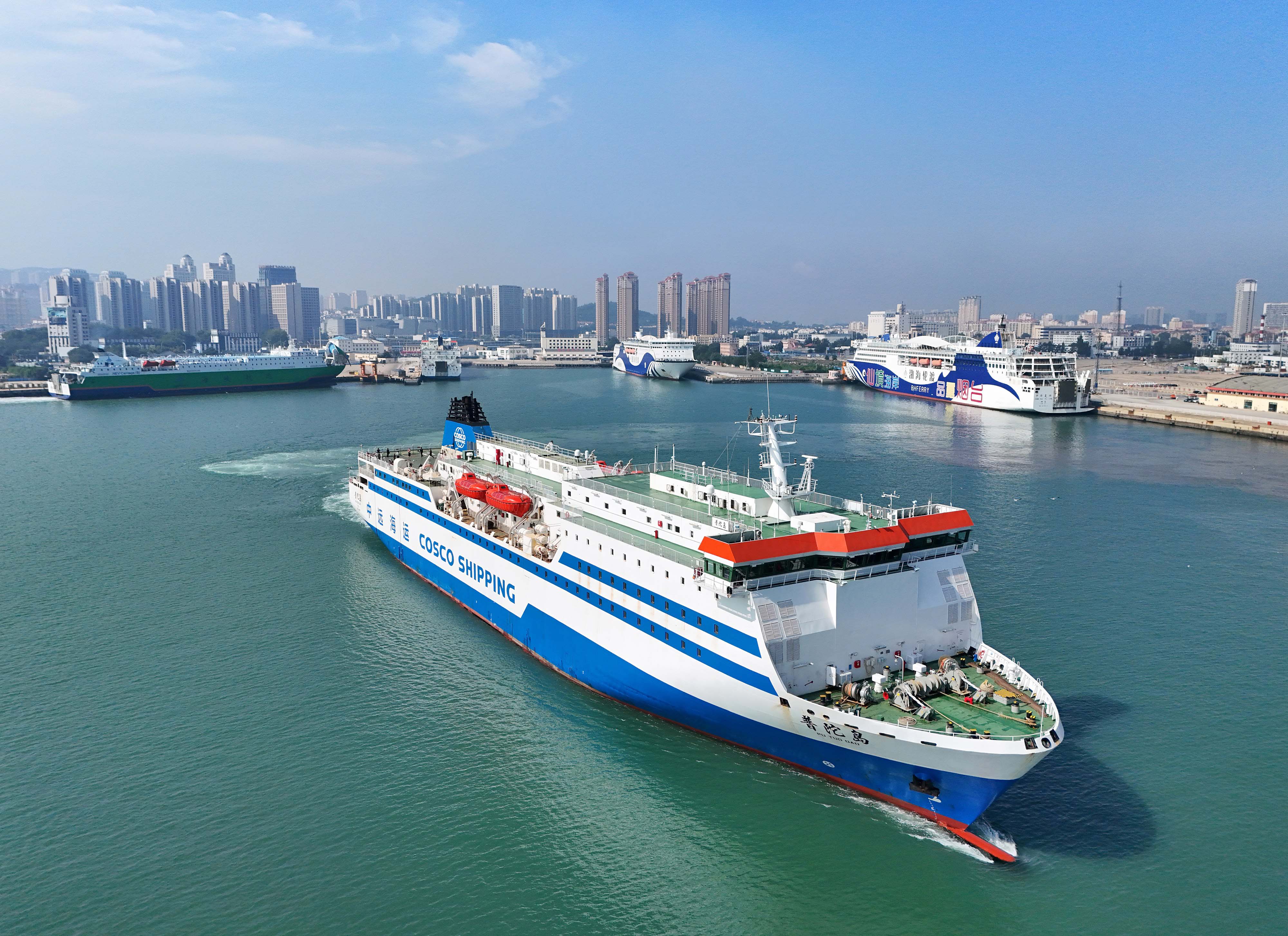
Commercial vessels supporting PLA deployments
A wide range of state-owned and state-directed commercial ships, including roll-on/roll-off ferries, logistics vessels and auxiliary platforms, can support Chinese military operations. These vessels expand lift, sustainment and access options while blurring the boundary between civilian commerce and military activity.

Research vessels
Large, well-equipped oceanographic research ships capable of deep-sea surveying, seabed mapping and environmental data collection. While civilian in appearance, these vessels generate information relevant to naval and submarine operations. They frequently operate far from China's waters.
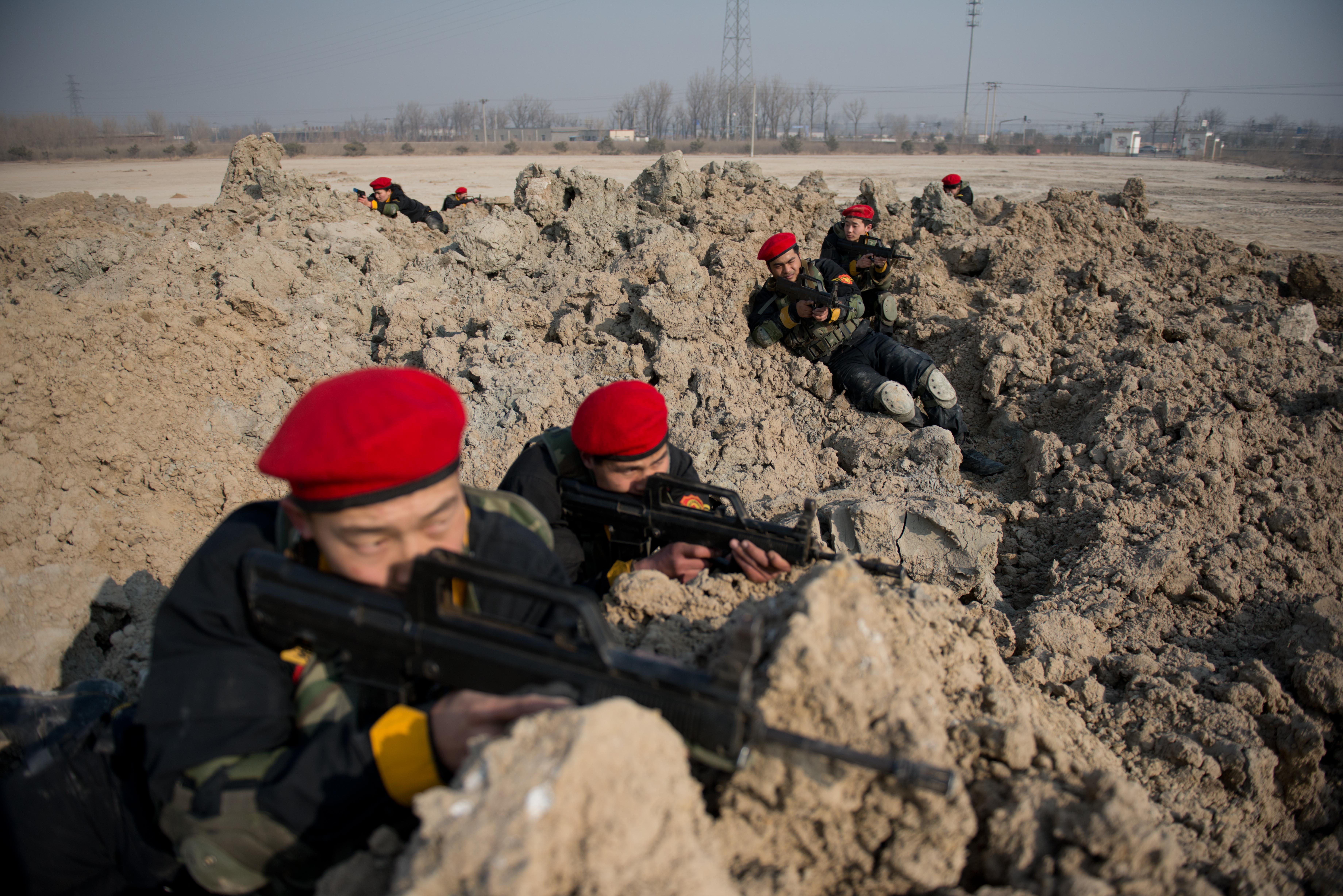
Chinese private security companies (PSCs)
State-aligned commercial security firms, often staffed by former PLA and PAP personnel, protect PRC projects, personnel and infrastructure overseas, particularly along Belt and Road routes. PSCs provide a scalable and deniable security presence without formal military deployment.

Ministry of Public Security (MPS)
China’s national police force, which advances influence through overseas police liaison officers, training programs, and bilateral law-enforcement cooperation. These activities deepen security ties with partner states and extend China’s reach into foreign policing and internal security systems.

China Coast Guard (CCG)
A heavily militarised maritime law-enforcement force used to assert jurisdiction, conduct patrols, and shape maritime norms. While most active in China’s near seas, the CCG increasingly undertakes longer deployments, port visits and joint activities, extending China’s paramilitary maritime presence beyond the First Island Chain.

People’s Armed Police (PAP)
China’s primary paramilitary force is responsible for internal security and protection of key assets. Internationally, PAP units contribute to UN peacekeeping missions, conduct security cooperation and training, and support the protection of PRC personnel and interests overseas, reinforcing China’s role as an emerging security provider.