
3.1.4
China’s actions of influence
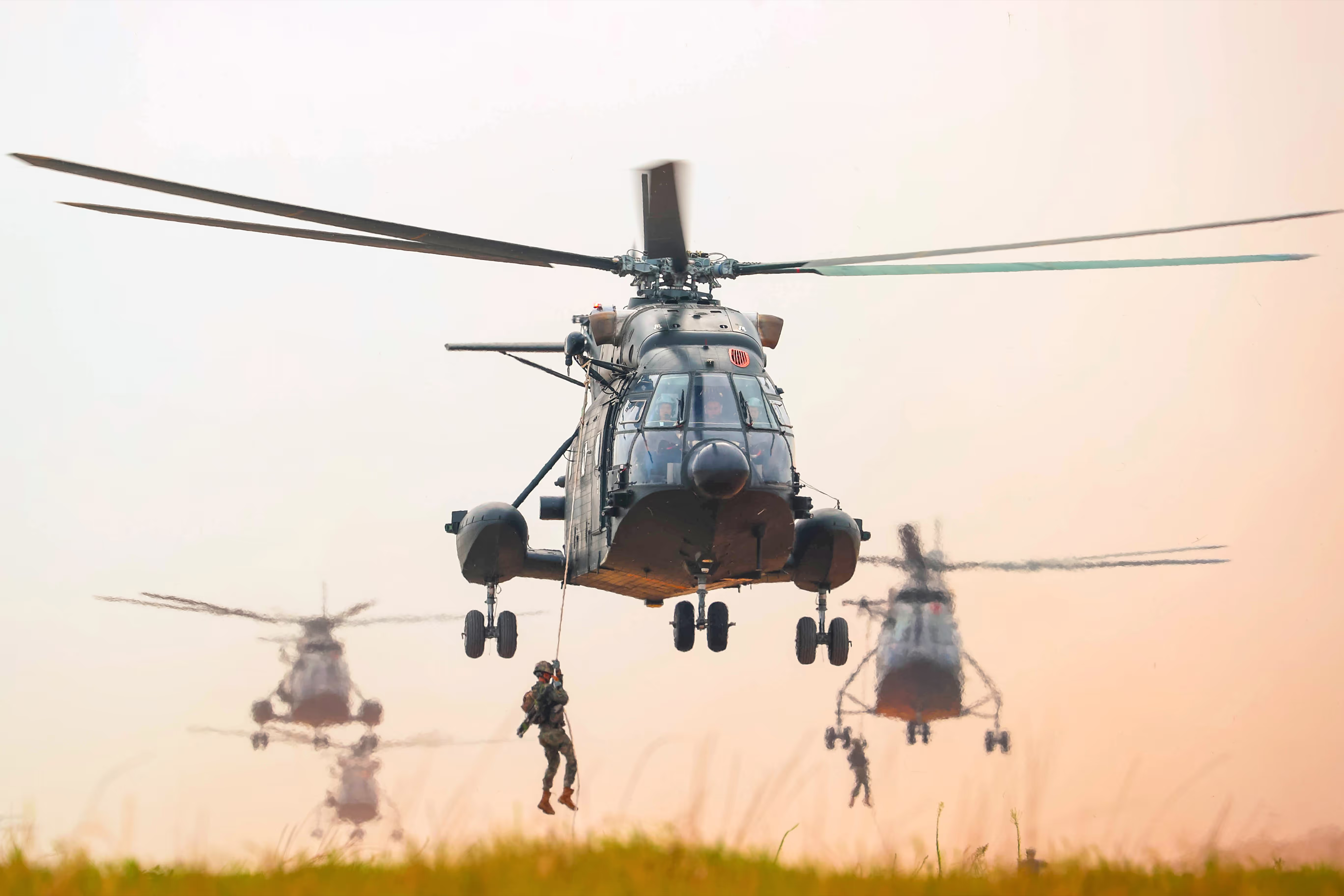
In parallel with the development of tools of influence, China’s security services have expanded the range of actions they undertake to project power, shape security environments and normalise China’s presence globally. Those actions span the full spectrum of competition. Some are overt and highly visible, such as naval deployments, exercises and defence agreements. Others are deliberately ambiguous, including surveillance operations, policing activities and civilian-led maritime surveys. Together, they demonstrate how China translates growing capabilities into practical influence on the ground, and at sea, below the threshold of armed conflict.
China’s military actions of influence
Under Xi Jinping, Beijing has increasingly employed its military in different ways to signal resolve, cultivate partnerships, protect overseas interests and influence global norms, as follows.
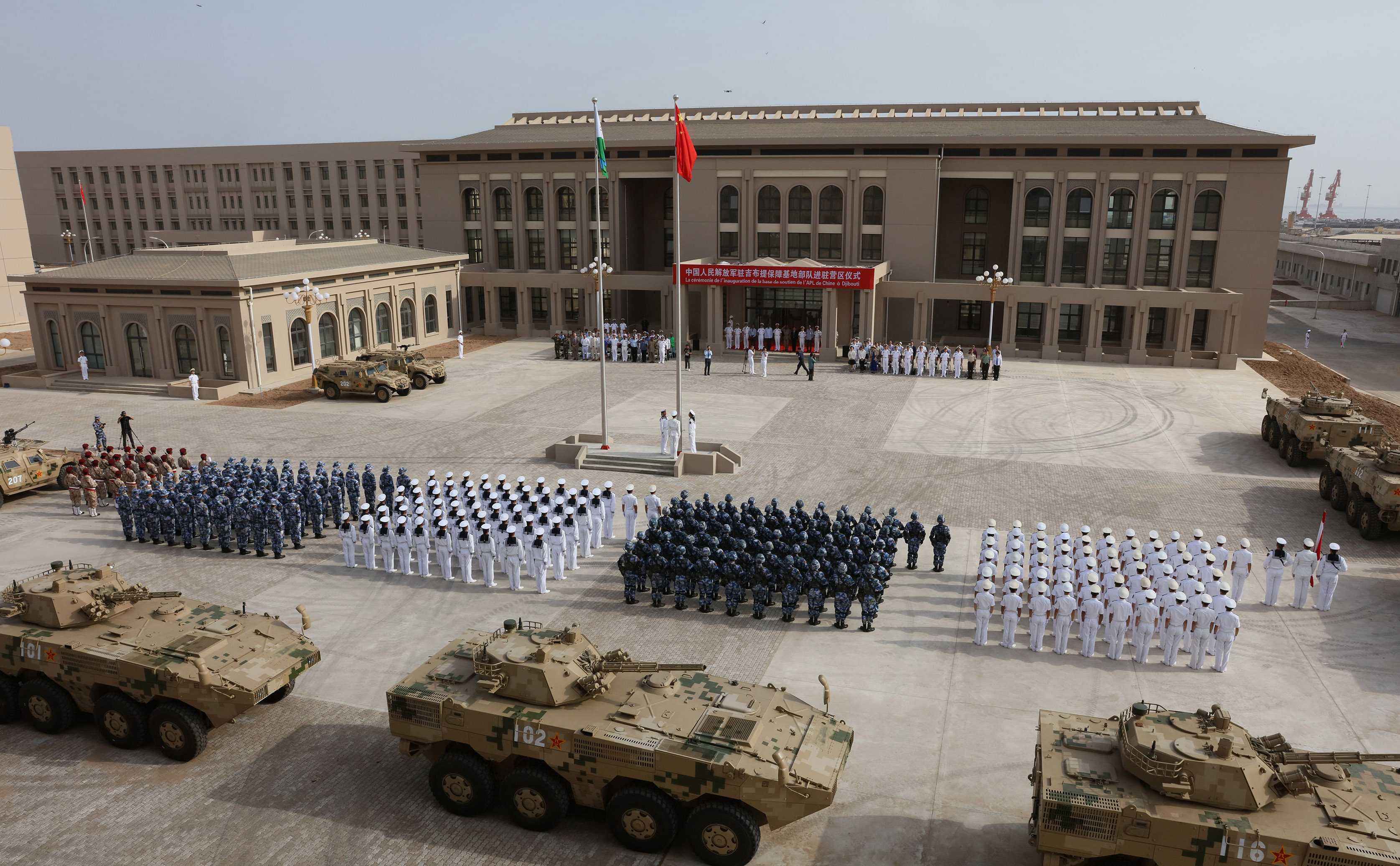
Basing, access and logistics arrangements
Beyond its base in Djibouti, China has sought access to ports, airfields and logistics hubs through agreements, security cooperation and dual-use infrastructure. China seeks a network of arrangements to support sustained military deployments and global influence.

Missile testing and space launches
China conducts ballistic and cruise missile tests and space operations that are supported by naval and auxiliary vessels operating in international waters. These activities demonstrate strategic capabilities and contribute to China’s global surveillance networks.
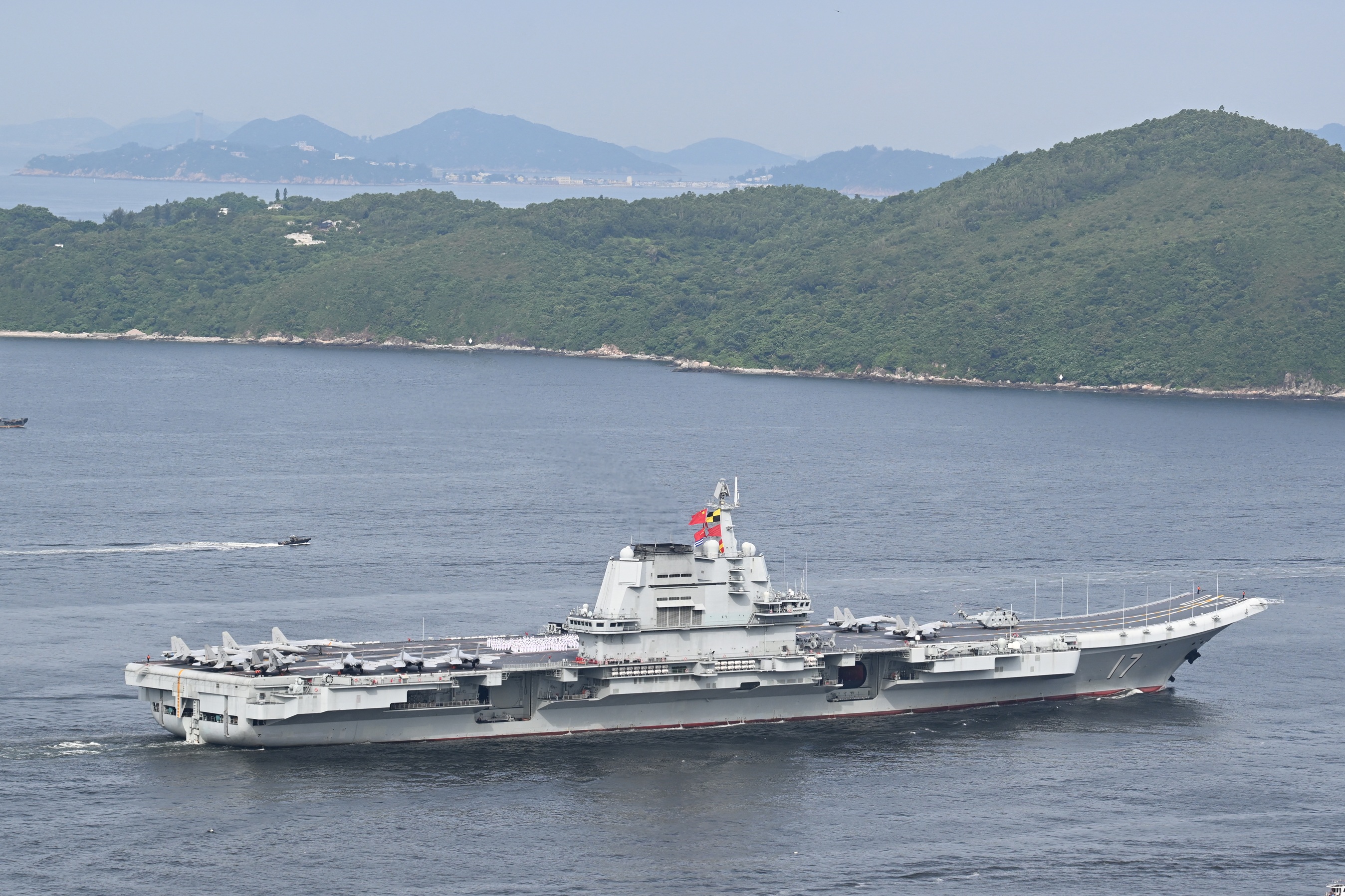
Extended naval deployments
China’s navy now routinely conducts long-duration deployments beyond the First Island Chain, including in the Indian Ocean, the Pacific, the Middle East and waters near Europe and the Americas. These operations signal global reach, build operational experience and normalise China's naval presence in distant regions.

Counter-piracy operations
Since 2008, China has maintained a continuous naval presence in the Gulf of Aden under the banner of anti-piracy operations. These missions provide operational experience, justify long-term overseas deployments, and reinforce China’s image as a contributor to international security.

Defence and security agreements
China has signed a growing number of defence cooperation agreements, memoranda of understanding and security partnerships. As China seeks to expand its partnerships and influence, these frameworks facilitate training, intelligence sharing, arms transfers and access.
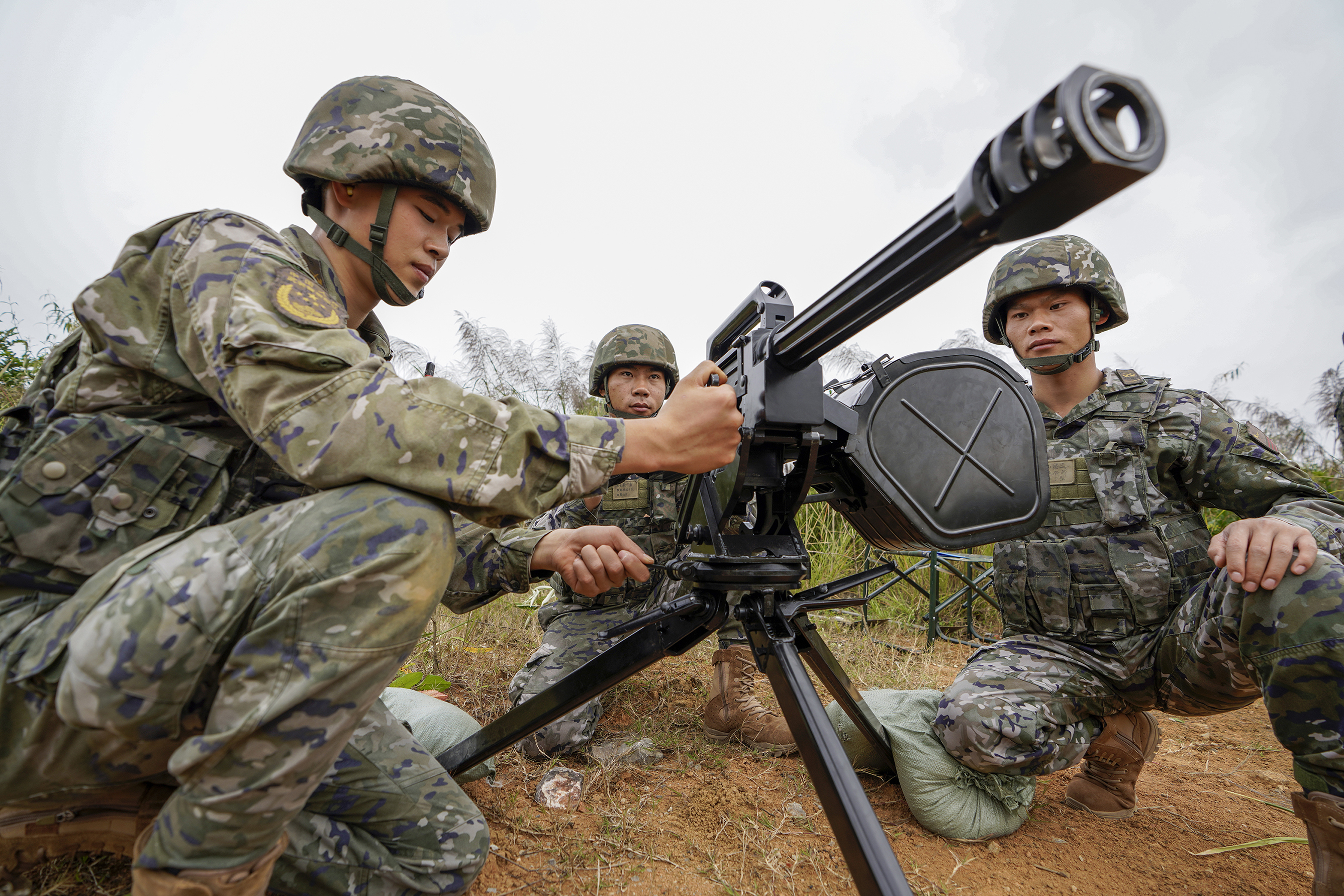
Arms sales
China uses arms exports and equipment donations to build long-term defence relationships and influence partner forces. Chinese systems are sometimes bundled with training, maintenance and advisory support, creating enduring dependencies and reinforcing China’s role as a security provider, particularly in developing regions.
Military exercises
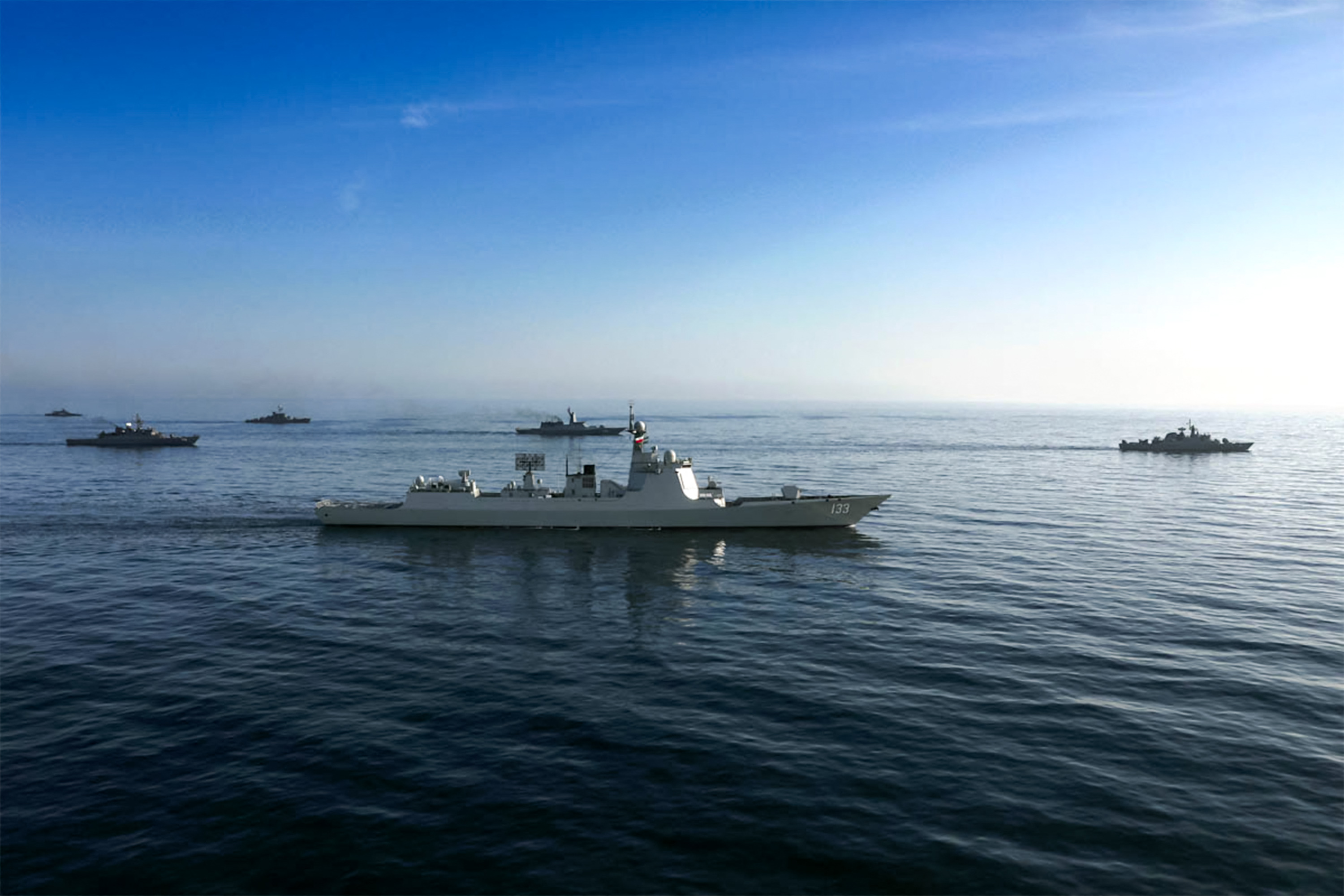
The PLA increasingly participates in bilateral and multilateral exercises across the Indo-Pacific, Africa, the Middle East and Europe. These activities enhance interoperability with partner forces, showcase Chinese capabilities and familiarise the PLA with operating in diverse environments.
Defence diplomacy
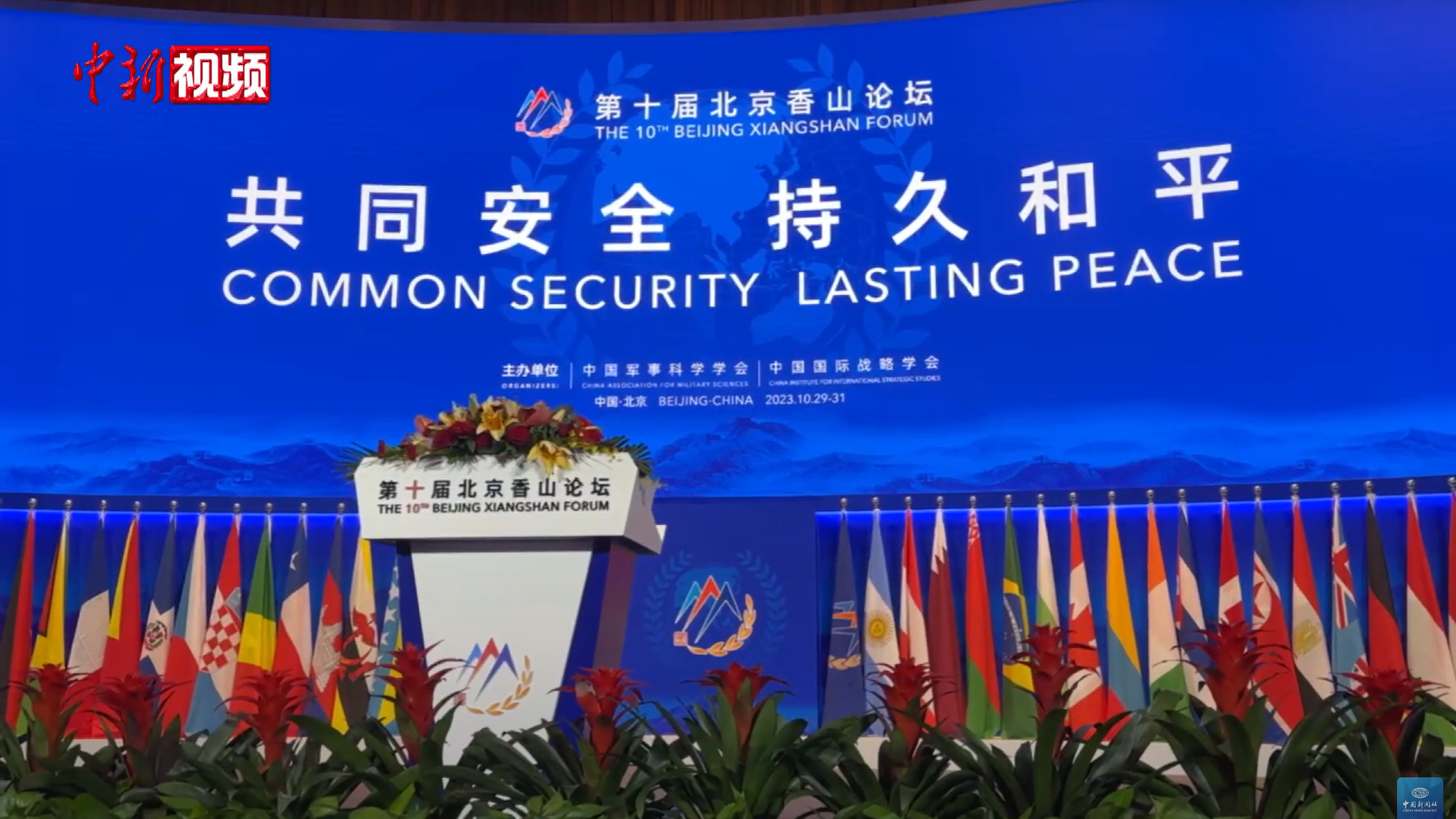
Like many other countries, China conducts regular high-level defence dialogues, port visits, staff talks and military exchanges to build relationships, shape perceptions and position itself as a security partner of choice. These engagements are used to promote Chinese security concepts and expand influence within foreign defence establishments.
China’s other actions of influence
Alongside the PLA, China increasingly looks to its paramilitary, law-enforcement and civilian-linked security actors to project influence overseas.
Protection of overseas investments
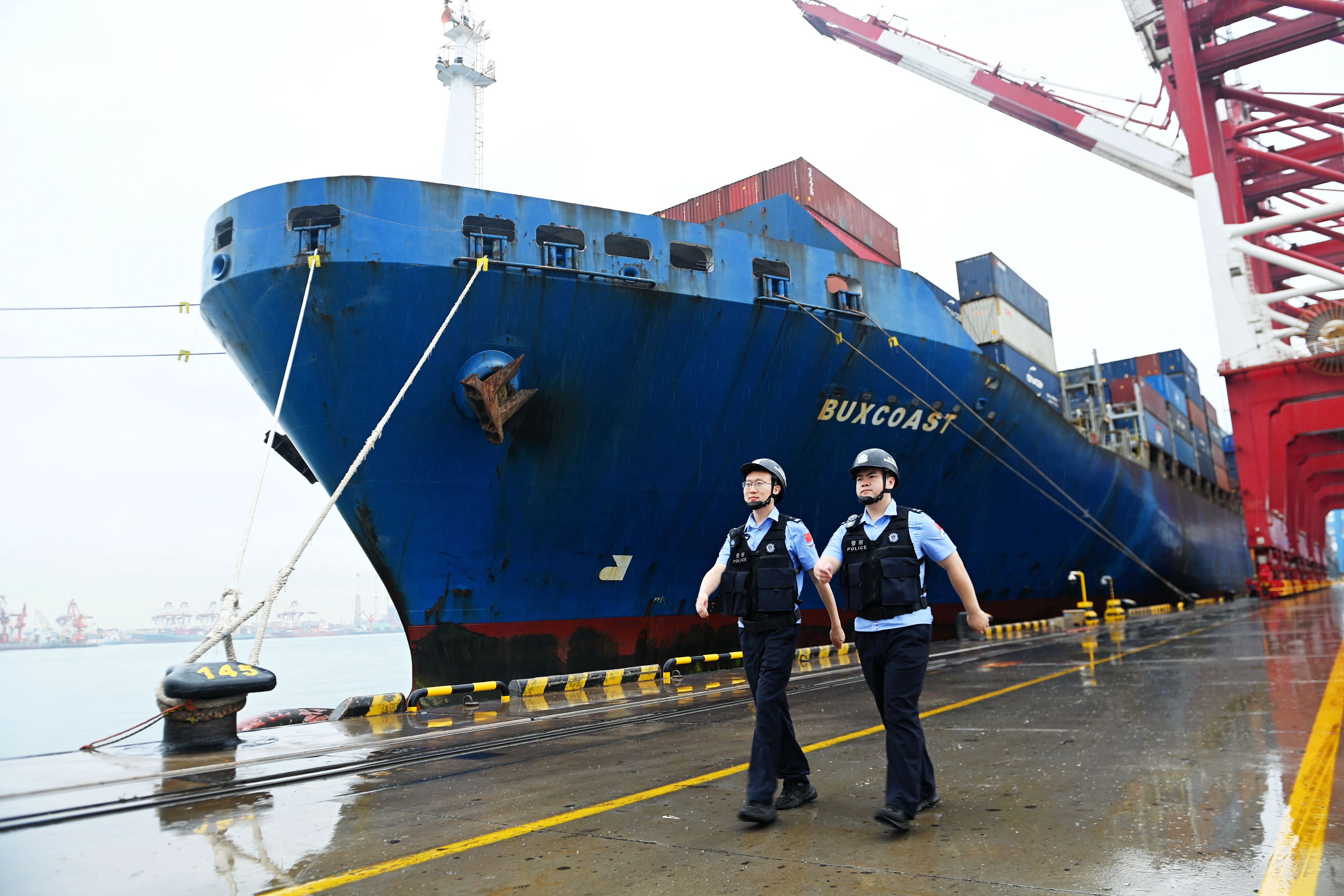
China's private security companies and state security personnel provide protection for China's investments, infrastructure and citizens abroad. These deployments expand China’s security footprint while limiting political exposure associated with formal military involvement.

Underwater surveys
China's research and survey vessels conduct oceanographic research, seabed mapping and underwater surveys in distant waters. Those activities generate data relevant to submarine operations, undersea infrastructure and future military activity, while maintaining a civilian or scientific façade.
China Coast Guard
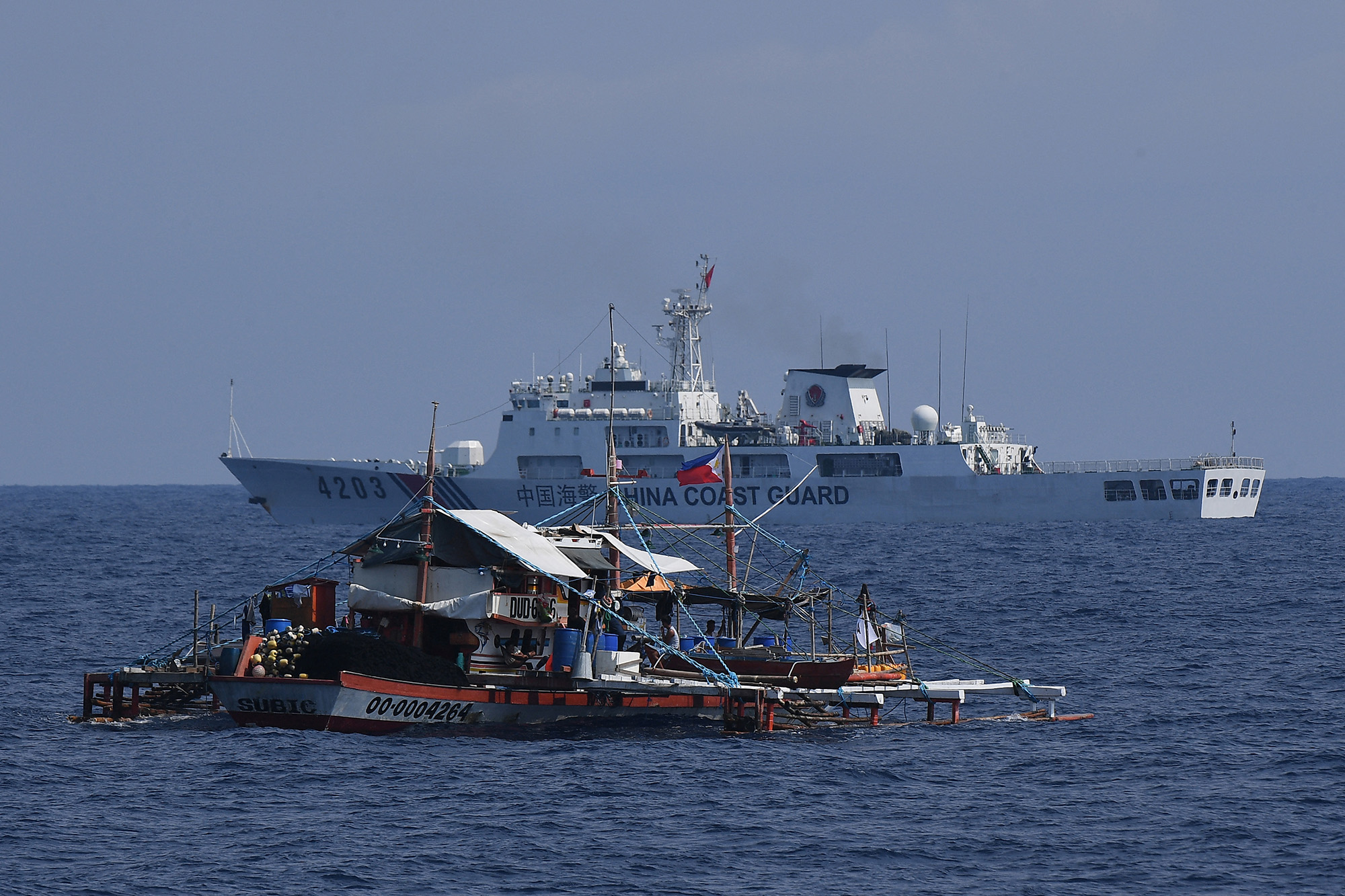
Beijing is looking to use the CCG further from its shores to conduct patrols, port visits and joint activities to extend its law-enforcement presence. These deployments allow China to assert influence while avoiding the escalatory signalling of naval combatants.
Overseas police stations
China's overseas police stations have been established in multiple countries, often framed as providing administrative assistance. These stations extend China’s policing reach and have been associated with political influence and coercive practices beyond China’s borders.
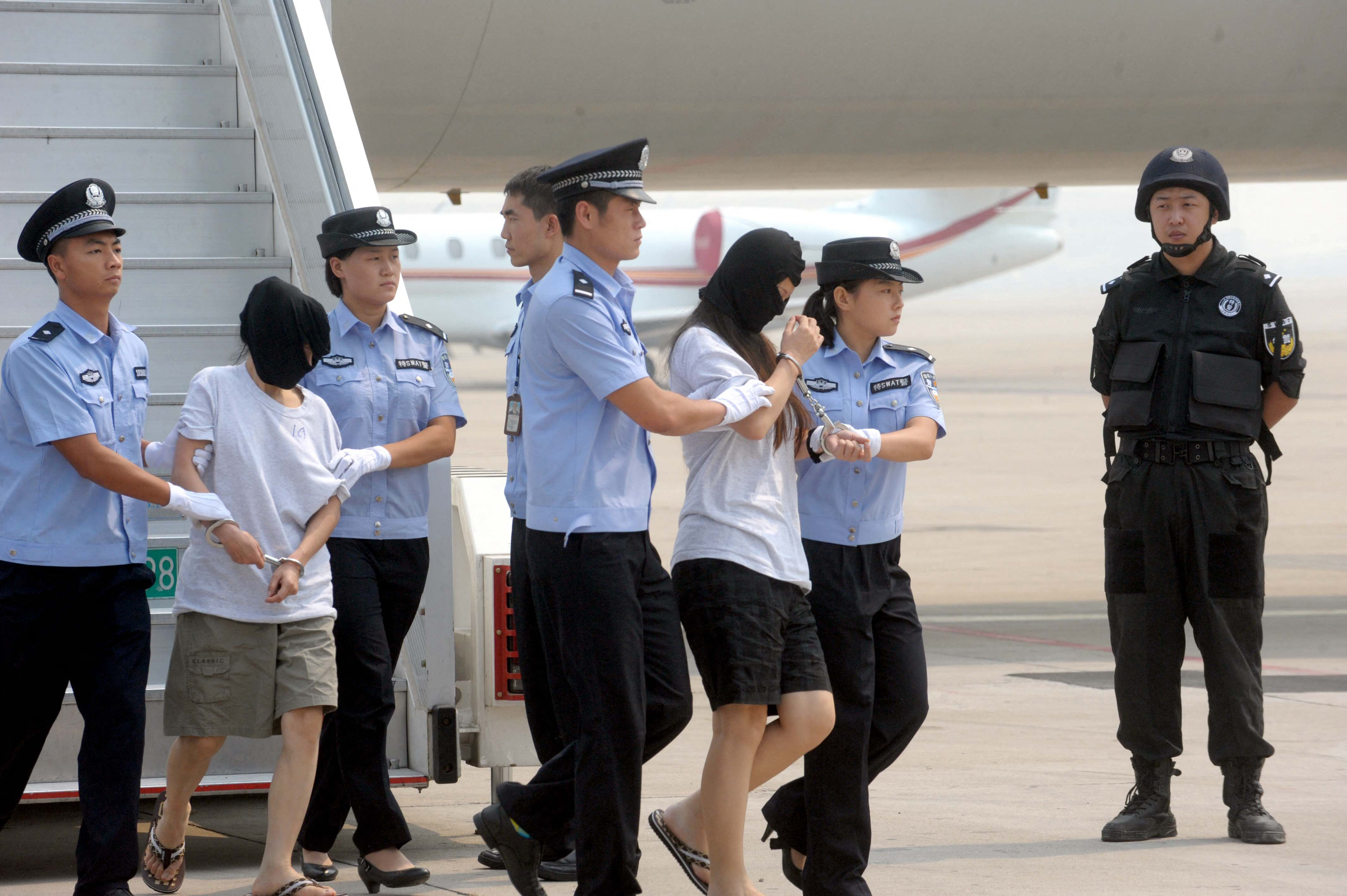
Overseas policing deployments
China deploys police officers abroad and participates in joint policing initiatives and training programs. These activities deepen law-enforcement cooperation, extend China’s influence into domestic security systems, and support efforts to monitor and manage overseas Chinese communities.
